The Courage to Say “I Need Help”
One of the bravest things you can do as an individual or a family unit is to reach out for help with drug addiction. While doing so for yourself is brave, doing this for someone you love equally demonstrates bravery. Seeking help is not a sign of weakness but an indication of strength and courage.
Addiction is not a moral failing, or a poor choice of character and it is not an issue of willpower. The reality of addiction is that it is a a complex, chronic condition of a disease. Addiction rebalances chemistry in the brain, and alters the brain’s reward system. Through this process, the brain constructs barriers that create an environment that makes quitting even more difficult without outside intervention. At Gods Will Wellness we understand these challenges and approach the issues of drug addiction with this framework and in a compassionate manner.
It is clear that drug addiction is not a one size fits all. The way heroin impacts the brain is different to the way cocaine impacts the brain. The same can be said of Marijuana and prescription drugs. Dependence on marijuana is not the same as dependence on prescription opioids. Furthermore, dependency on drugs while battling with depression calls for more individualized care than drug dependency with no disorders.
As the premier substance abuse rehabilitation center and the best rehabilitation center in Delhi for alcohol and drug recovery, Gods Will Wellness offers this type of care that is specialized, scientifically grounded, and deeply humane. This guide will show you what that care looks like and why it really matters.
Understanding the Core of Substance Abuse
How Physical and Psychological Dependency Form
Addiction is something that develops simultaneously in both the body and the mind. When people become dependent on a substance, the brain loses the ability to feel “normal” and begins to require that substance. When the individual stops using the substance, the body protests and attempts to return to the “normal” state, producing what are commonly known as withdrawal symptoms. In a similar way, people use coping substances to manage stress and trauma, as well as other emotional or psychological problems like loneliness. Full recovery means that the individual not only addresses their physical dependence, but psychological dependence as well.
The Growing Problem of Prescription Drug Abuse
While many believe illicit drugs, especially heroin and cocaine, are the worst of the worst, prescription drug abuse has seen an alarming increase recently. What this shows is the gaps are closing when it comes to abusing illicit drugs and prescription drugs. Because of this, many families and their members fail to see the symptoms of the addiction until the addiction is severe and the symptoms are more difficult to cease and overcome.
Some common indicators of prescription drug abuse are:
– Using the drug in larger quantities than prescribed or more often than instructed.
– Receiving the same prescription from numerous physicians (often referred to as “doctor shopping”).
– Mood changes, withdrawing from social or family contact or altered sleeping habits.
– Concealing the drug use or being defensive about the use.
– Using another individual’s prescribed drugs or obtaining the drug through illegal means.
Identifying early signs of prescription drug abuse provides a better opportunity for intervention and a better prognosis for successful treatment.
Why Structure Is the Cornerstone of Recovery
Overcoming dependence on drugs and/or alcohol is often difficult to do using just willpower. The tools for recovery and a drug-free environment play equally important roles in the recovery process. The structured setting of a drug and/or alcohol rehabilitation center provides consistency, community, and constructive healing. The chaos of self-destructive behavior is replaced with a purposeful environment. Structure is the framework on which a new and drug-free life is built.
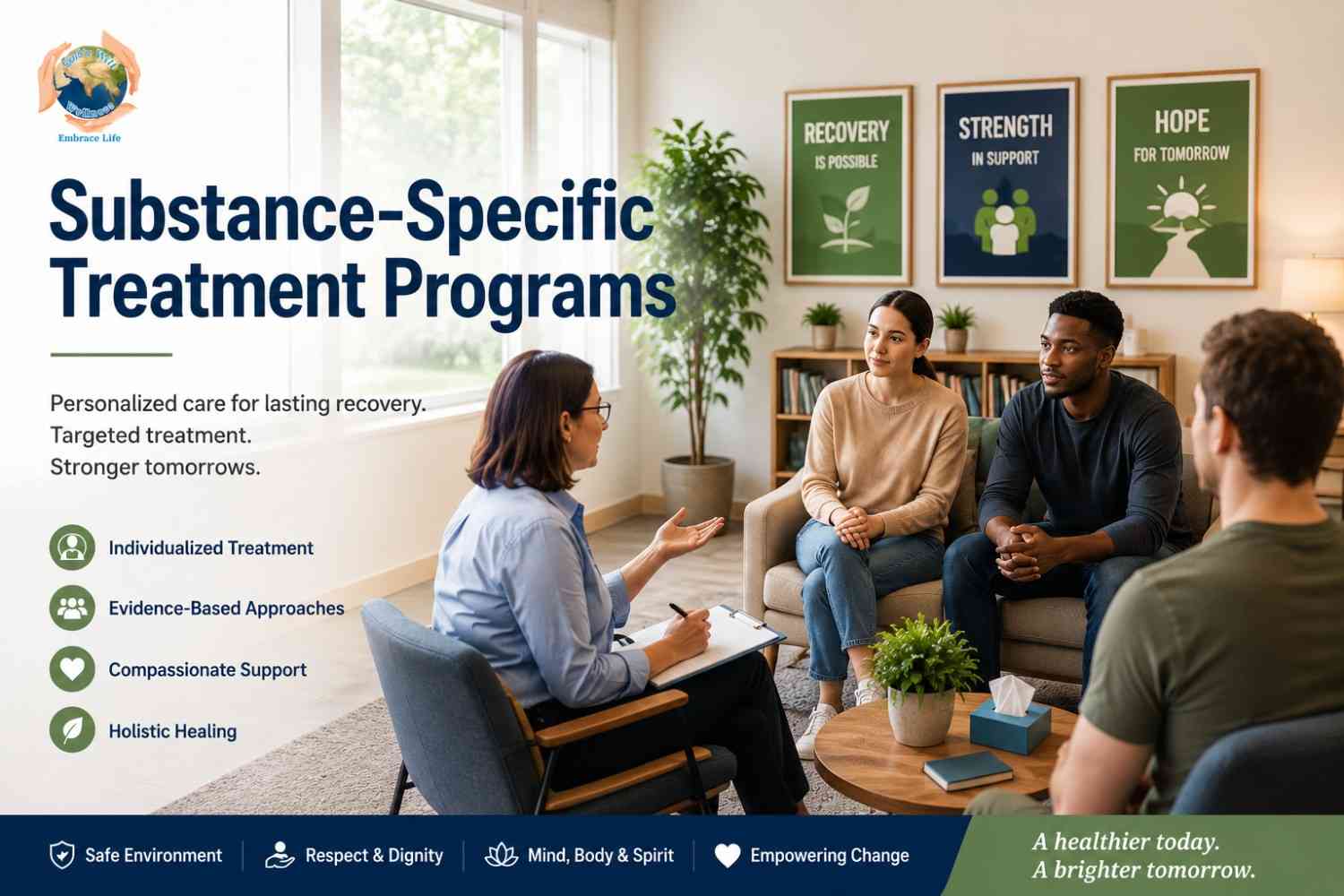
Substance-Specific Treatment Programs
Treatment for Heroin and Other Opiate Addictions
Opiate withdrawal is one of the most physiologically painful and psychically tormenting phases of addiction. The period of time after the last dose is one of the most painful, tormenting, and prone to relapse.
At a dedicated heroin addiction treatment center, the first stage is detoxing under medical supervision. Detoxing heroin is a multi-day process, and specialty clinics employ strategies to manage the worst symptoms of withdrawal and stabilize the brain. Around the clock monitoring includes the strategic administration of medications like buprenorphine and methadone, which help to reduce withdrawal symptoms and stabilize cravings for the drug. Detoxing heroin also begins the process of healing the brain from heroin.
Detoxing is just the first step of treatment. After stabilizing the brain, patients begin a variety of therapeutic techniques to help them begin to plan for a future without heroin.
Cocaine and Other Stimulants
Cocaine and other stimulants function by causing the brain to release unnaturally large amounts of dopamine, the brain’s pleasure, reward, and motivational chemistry. This immense dopamine release occurs at a level that the brain would never achieve on its own. As a result, the brain’s internal dopamine chemistry begins to diminish, and the joy that once was a part of daily life is full of emptiness. The extreme heroin-like symptoms are not present in cocaine withdrawal, but, like heroin, the withdrawal from cocaine is a psychological ordeal.
The detox process in cocaine rehab is not primarily to manage a physical crisis. Rather, it is to combat the depression, lack of pleasure, anxiety, and most importantly, the overwhelming cravings that accompany the withdrawal from cocaine.
Cognitive Behavioral Therapy (CBT) forms a vital aspect of treatment for stimulant addiction and focuses on modifying the craving and substance use cycle within the brain by teaching patients how to consciously substitute substance use with healthier behavioral responses. Stimulant recovery also has a lot of synergy with Contingency Management, which focuses on achieving and reinforcing sobriety through the use of incentives. The objective of cocaine rehabilitation center and detox at Gods Will Wellness goes beyond abstaining from cocaine. It is to reinstate the brain’s natural ability to derive pleasure from experiences in the world around it.
Marijuana Dependency and Recovery
Many define their struggles with substance use by comparing themselves to a population that they think has a use problem. This stems from the widespread culture that believes marijuana is non-addictive. Substance use problems are certainly real, and that is why approximately nine percent of the population that uses marijuana develops substance dependence. That statistic becomes 17 percent for individuals that use marijuana for the first time in their teenage years. The percentage is even higher for those that use marijuana on a daily basis.
Recovery from marijuana addiction primarily focuses on the psychological effects of addiction and the impacts that long term, heavy use of marijuana has on brain function. Emotional numbness, the loss of motivation, and difficulty with concentration and memory, are also common.
Motivational Enhancement Therapy (MET) is the primary treatment used to support marijuana dependency, in conjunction with CBT, and mindfulness-based techniques. Marijuana addiction recovery at Gods Will Wellness also considers the social dimension as users build their social environment around marijuana usage. The therapeutic process helps users build social relationships that no longer include marijuana use.
Addressing The Root Cause: Dual Diagnosis Treatment Program
When considering addiction medicine and its progressive approaches, treating co-occurring disorders has been the most groundbreaking development.
Co-occurring disorders or a dual diagnosis, occurs when mental health and substance use disorders exist parallel to each other. Though many believe this to be the exception, it is in fact the rule, with research showing that 50% and greater of substance users will have a mental health diagnosis. Afflictions such as Depression, Anxiety, and PTSD have been found to precede substance use.
Why Treating Only the Addiction Fails
Building therapeutic processes on the foundation of addiction without addressing the underlying co-occurring mental health disorders makes for an incomplete therapeutic process. Opioid addiction involving the substance use of opioids and the mental health condition of depression remains after the detox process is complete, and so does the cocaine habit and the unprocessed trauma that fuels the addiction. Relapse is a predictable outcome of an incomplete therapeutic process, not a failure of character.
How to Treat Co-Occurring Disorders Simultaneously
An effective dual diagnosis treatment program combines psychiatry and addiction treatment into a singular process. At Gods Will Wellness, this means:
– A thorough psychiatric evaluation at the time of admission to identify all co-occurring disorders
– Therapeutic medications for conditions where the prescribing clinician intends to utilize
– Trauma-informed therapies inclusive of EMDR, trauma-focused CBT, and other therapies for PTSD
– Integrated mental health addiction group therapies where mental health and addiction are addressed in conjunction.
– Continued psychiatric treatment throughout the residential program and into aftercare.
Understanding how to treat co-occurring disorders is essential in addiction treatment, as it outlines the parameters for lasting recovery.
The Residential Drug Rehabilitation Process
For some, walking into a treatment center for the first time brings on feelings of anxiety and dread. Because we know what the residential drug rehabilitation process entails, we hope this creates a sense of peace and alleviates some anxiety and dread. The drug rehabilitation process is given below:
INTAKE AND ASSESSMENT. Upon arrival, a team composed of physicians, psychiatractors, and counselors, performs an evaluation of the level of your physical health, mental health, history of substance use, and goals. This will help develop a preliminary individualized treatment plan.
MEDICAL DETOX (WHEN INDICATED). If the substance(s) involve the use of alcohol, benzodiazepines, and opioids, which involve the need for a supervised withdrawal, the first active phase will be a Medical Detox. This will involve a 24/7 assessment, with the use of medication to ensure safety and comfort.
STRUCTURED THERAPEUTIC PROGRAMMING. Life within the confines of a residential treatment facility will involve a daily combination of individual and group therapy, psychoeducation, and wellness activities. Each week will incorporate the use of CBT, trauma work, mindfulness, and the development of life skills.
FAMILY INVOLVEMENT.We will address and acknowledge the impact of addictive behaviors on every member of the family. Family therapy and the provision of family educational workshops will help family members shift from the role of management of the trigger, to becoming supportive.
AFTERCARE PLANNING. Prior to your exit from the treatment facility, your team will collaborate with you to develop a comprehensive Aftercare plan incorporating elements of outpatient therapy, community support, and a continuum of care to address relapse prevention.
SERVING THE DELHI-NCR REGION: ADDITIONAL, CLOSE-TO-HOME EXPERT CARE
For families across the National Capital Region, whether based in Delhi, Faridabad, Gurugram, Noida, or other surrounding areas, the distance from your home to where professional help is available should never be a barrier to stopping your addiction.
Gods Will Wellness is honored to be a reliable nasha mukti kendra in Delhi NCR. The treatment methodologies of God’s will wellness are internationally designed and developed, for the communities that need them the most. Alcohol dependence is one of the most underdiagnosed and treated conditions in urban India. Since alcohol is a legal substance and socially accepted, families spend years thinking away the signs, that is, until the damage both physically and relationally becomes undeniable.
Alcohol Addiction: The Need for Specialized Care
Out of all of the substance withdrawals, alcohol withdrawal is the most dangerous and life-threatening. The most common symptoms, seizures and delirium tremens, combined with the extreme cardiovascular stress, require 24 hour medical attention and make unsupported “cold turkey” attempts truly dangerous. Gods Will Wellness is the best rehabilitation centre in Delhi for alcohol because of our medically supervised alcohol detox, which is the first step of every alcohol recovery journey, along with the continuous provision of long-term relapse prevention therapy.
Gods Will Wellness serves as a complete nasha mukti kendra in Faridabad for families located in Faridabad and the remaining NCR. We provide services such as residential intake, outpatient follow-up, and family counseling, without the need for families to relocate to a different part of the city. This service encourages the involvement of the families during the rehabilitation process.
The combination of a person’s addiction to alcohol, opioids or any other substance and the need for the nasha mukti kendra in Delhi NCR means that evidence-based and caring service is just a phone call away.
Frequently Asked Questions
1.What does a drug treatment program have? How does it function?
A drug program treats individuals with drug dependencies within a constructed program that operates with clinical supervision. A drug program has an integrated system that treats a person’s dependence from various perspectives (medical, psychological, social). The medical treatment manages person’s withdrawal and treats any additional health complications. The psychological treatment focuses on a person’s addictive behaviors and the socially integrated system helps a person reconstruct his/her social system. The social component of reconstructing a person’s social system includes rehabilitation of any personal relationships and life skills. Treatment programs take a person’s substance use (addiction) and their mental health profile into account on a personal level; therefore, programs can be differ significantly.
2.What is a “Dual Diagnosis Treatment”? What’s the need?
“Dual Diagnosis” describes the treatment of a person who has both a substance use disorder and a mental health disorder (like anxiety, depression, PTSD, etc.) at the same time. The Dual Diagnosis Treatment of mental health and substance use is “Dual Diagnosis”. This treatment is crucial because the two disorders are connected; thus one will perpetuate the cycle of the other. This cycle is best illustrated by the treatment of a substance use disorder and the case in which the former will relapse.
3.What is offered in a Rehab specifically for Heroin/Cocaine?
The treatment of the substance use of Heroin and Opioids entails a medically supervised detox, followed by the treatment of substance use through Medication Assisted Treatment (MAT) and Behavioral therapy. The detox of cocaine is less medically dangerous and uncomfortable when compared to other substance use disorders and detoxing. Each of the substance treatments includes planning for the prevention of relapse and counseling and group therapy sessions.
4.What is the Duration of a Residential Drug Rehab Program?
In general, most residential rehab programs last between 28 and 90 days. However, the necessity of the duration varies on a case-by-case basis and is generally determined by the situation of the individual. Evidence shows that the extended duration that an individual is involved with the treatment program correlates with a higher likelihood of a successful recovery in the long run.
5.What are the steps involved in getting a family member admitted to a Drug Rehab center?
A confidential consultation can be arranged by directly contacting the admissions team at Gods Will Wellness. The team will delineate the steps of the rehab program, respond to your queries, and give information of the probable scenarios. The intake process can, in fact, be started by families on behalf of the concerned individual. The best nasha mukti kendra for drug addiction is one which incorporates an all-encompassing treatment program for the individual which is medical, psychological, and spiritual in nature, and that framework is the foundation on which Gods Will Wellness is built.
6.Are there any good alcohol addiction rehabilitation centers in Delhi?
The best rehabilitation centre in Delhi for alcohol recovery considered is Gods Will Wellness. It is essential to consider a center like Gods Will Wellness for alcohol detox because the complications from alcohol withdrawal can include seizures among many others, and detox should never be attempted without supervision. We regularly serve families from the entire Delhi, Faridabad, and the entire NCR region. The staff of God’s will wellness has profound knowledge in providing services for patients coming from the various nasha mukti kendra in Delhi NCR.
Recovery is the Beginning of a New Life
Every story has the potential to end without addiction. Specialized care has the power to heal the brain and restore relationships.
If you or a loved one is ready to start your journey, the team at Gods Will Wellness will not judge, we will help you. As a Nasha Mukti Kendra in Delhi NCR, we combine evidence-based addiction treatment with compassion and a supportive community. This approach has earned the trust of thousands of families across Delhi, Faridabad, and the entire NCR. Contact us to schedule a private consultation with our admissions team.