How Can a Program for De-Addiction Treatment Assist One in the Fight against Substance Abuse?
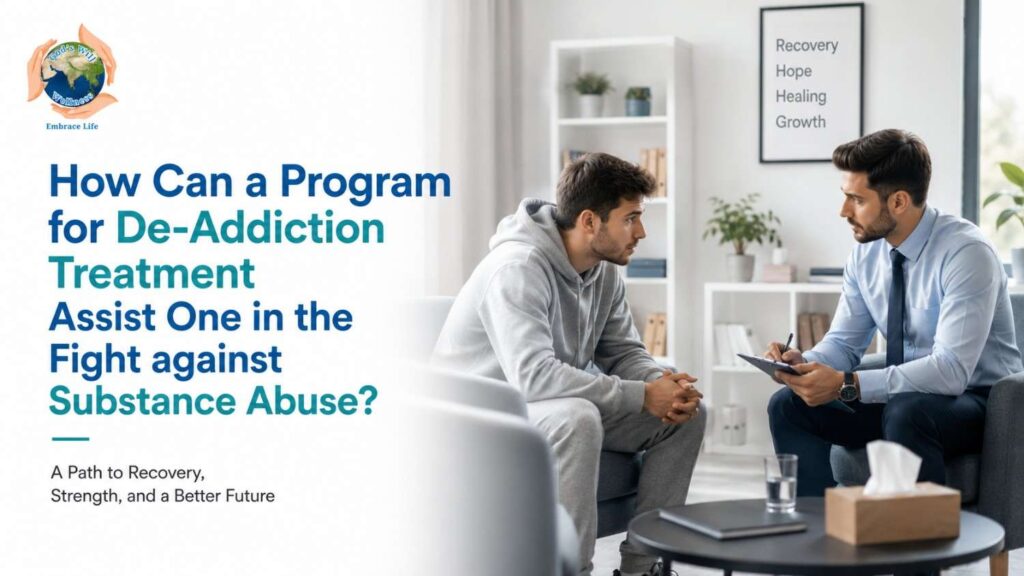
Substance abuse is a complicated issue that can affect a person’s physical health, emotional state, relationships, and quality of life. Many substance abusers want to stop using their substance of choice but are unable to do so because the brain’s response to a substance is altered by the addiction itself. Overcoming dependencies can be very difficult, especially without the proper support and guidance.
A de addiction centre in Delhi can provide the right environment, the opportunity for medical guidance, and the counseling and recovery tools needed to combat addiction. To achieve a substance free lifestyle clients must incorporate more knowledge of their addictive behaviors and learn new coping skills.
At God’s Will Wellness, addiction recovery focuses on compassion, professional care, and a positive approach to developing new coping and recovery skills. All addictions are viewed as unique to the individual which is why new coping behaviors are tailored to a recovery client’s personal needs and incorporate mental health support, lifestyle changes, and long-term strategies to prevent a relapse.
A de-addiction treatment program is able to assist one in the fight against substance abuse by providing the necessary tools to start a new substance free and healthy lifestyle.
This explains how a de addiction treatment program works, what steps are involved, and how it can assist one in the fight against substance abuse.
Understanding Substance Dependency and Addiction
Addiction is not something people do because they lack the willpower to stop doing something. It is addiction to substances like alcohol, opioids, cocaine, prescription drugs and other dangerous substances, creates a physical and a psychological dependency based on the substance used. Habitual use of a substance can compromise the brain, and the brain’s reward system. It will eventually become a dependency of that substance in order to exist in a state that feels normal, control emotions, or cope with the stress.
Some of the signs and symptoms of substance dependency include:
Addiction to a substance, to the extent that it is all a person can think about.
Loss of control regarding the use of the substance.
Addiction takes priority over other obligations and responsibilities.
Rehab staff, who understand the condition, become the support a user needs instead of friends and family.
The majority of people who suffer from a dependency are unwilling to make the sacrifice of having to be an outcast in their social circles for a temporary amount of time.
Although people use rehab centres for different reasons, they all contribute significantly to the understanding of how people can learn to control and manage their addiction.
What Is a De-Addiction Treatment Program?
The main objective of a de-addiction treatment program is to help individuals discontinue the self-destructive cycle of addiction to substances and assist them with the skills necessary to alter their lifestyles and become drug-free.
De-addiction programs have the following core components:
- Medical supervision
- Individual and group counseling and therapy
- Behavioral therapy
- Emotional support and prevention planning
- Family counseling
The objective of these programs is to rid the body of substances and heal the mind and emotions from the chains of addiction.
As an example, people may use a substance to cope with work-related stress, trauma, emotional disorders, or peer pressure. The removal of the substance alone may drive the individual to find other means to cope and self-destruct, thereby increasing the chances of relapse.
De-addiction programs are meant to target the root of the problem and provide various healthy ways to cope.
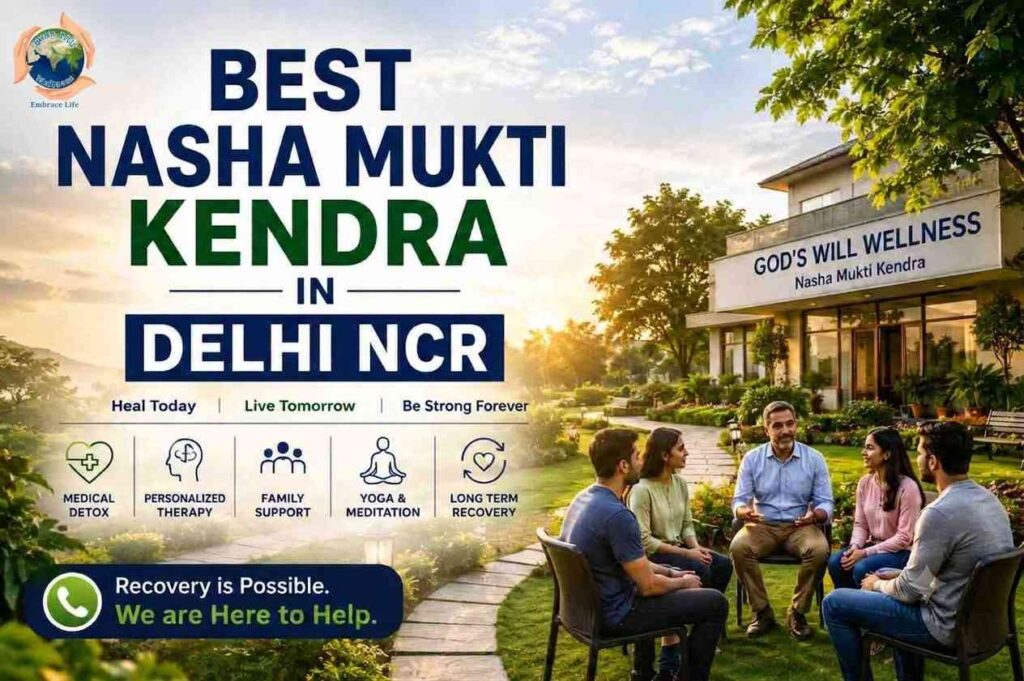
Recovery programs at God’s Will Wellness are meant to provide individuals with the support they need throughout their journey to healing.
How Does a De-Addiction Centre in Delhi Help in Recovery?
Delhi de-addiction centres offer the care and support necessary to help overcome the emotional and physical chains of addiction.
People can attempt to quit substances cold-turkey and alone, but withdrawal can be very dangerous and hard to do without support. De-addiction programs offer the professional help necessary to manage the process of quitting in a safe way.
The most important and beneficial part of a de-addiction program is being in a safe and controlled environment.
Triggers encountered during the recovery process can include:
Adverse social circles
Situational stresses
Substance availability
Emotional instability
Negative environmental contexts
Recovery-focused environments remove external triggers to allow a greater focus on recovery.
Exposure to recovery professionals and peers limit the focus on emotional recovery challenge caused by the sense of isolation.
2. Evaluation and Development of Recovery-focused Design Plans
Substance addiction varies by individual and the underlying causes and the effects on physical and emotional wellness and health can be differentiated.
Health professionals will evaluate the following prior to developing a recovery project.
Substance used
Duration of substance dependency
Physical wellness
Emotional health
Substance misuse history
Recovery attempts
Other and family history
Differentiated substance recovery dependency requires greater focus.
Long-term alcohol dependency and acute substance misuse require a greater focus.
Differentiated recovery projects have a greater likelihood of success.
Important Stages of a De-Addiction Treatment Program
Recovery from substance misuse is a multiple stage process.
Stage 1: Admission and Assessment
An understanding of the substance dependency history and current state is the focus of the first stage.
Recovery professionals evaluate the following during assessment.
Substance usage patterns
Physical symptoms
Emotional challenges
Desired recovery outcomes
Focused assessment will contribute to the further development of the remedial recovery approach.
First stages of the recovery process will also provide the sense of greater purpose to individuals in the recovery so that the perception of seeking assistance will be evaluated positively.
Stage 2: Detox and Withdrawal Treatment
Detoxification removes harmful substances from the body.
Addiction to substances creates a physical dependency. Withdrawal occurs when the body reacts from a sudden absence of the usually supplied substance. Common symptoms are:
anxiety
irritation
insomnia
sweating
mood disturbance
physical cravings
Medical intervention helps symptoms of withdrawal.
Detoxification is not a complete treatment. It only removes the physical dependency and does not sustain recovery. Psychotherapy and behavioral change are essential for long-term recovery.
Stage 3: Emotional Healing and Psychotherapy
Psychological and emotional problems often underlie addiction. Psychotherapy is essential to identify the problems and learn how to cope in a healthy way.
Common modalities of psychotherapy are:
Individual Counseling
In private psychotherapy, people have the opportunity to discuss what they feel and to address the problems and challenges they have regarding their addiction.
Group Therapy
This creates a network of support and people learn about others’ addiction.
Behavioral Therapy
People learn how to cope in a healthy way and how to replace what used to be negative habits with positive and healthy ones.
Role of Counselling and Therapy in Addiction Recovery
Counseling is a critical component of successful addiction treatment. Detox removes the substance from the body and counseling addresses the psychological, emotional, and behavioral problems of dependency.
Addiction is often the outcome of:
stress
emotional trauma
anxiety/depression
poor relationships
low self-worth
social/family problems
pressures
poor emotional control
Addiction may relapse if these problems are not resolved.
In Gurgaon’s de-addiction centre, attempts are made to discover the elements responsible for addiction among their patients. The patients are also taught techniques to cope with tough situations without resorting to any substance.
At a de-addiction centre in Gurgaon, counseling and treatment carry an equal weight as compared to medication in order to keep emotional healing parallel to physical healing.
How Does Therapy Help in Overcoming Addiction?
1. Trigger of Addiction
Triggers are any events, experience, and feelings that tend to increase the craving to take the substance.
The triggers of addiction include:
Specific people, places, and stress-filled experiences
Celebrations involving alcohol consumption
Feelings of anger, frustration, and loneliness
Therapy is essential in helping people understand their triggers and how to cope with them.
As an example, after a stressful day, a person may choose to deal with the situation through response techniques, and work out instead of consuming alcohol.
2. Learning Better Coping Techniques
Coping with substance use disorders may stem from the use of substances to escape some unwanted feelings or emotions. Therapy can help in changing that.
Coping and emotional regulation techniques such as:
Physical activity
Mindfulness and meditation
Time management
Positive and assertive communication
These can help the person sustain the recovery even after the therapy sessions are completed.
3. Increased Self-Awareness
Addiction affects decision-making, relationships, and self-image. Counseling can help people think of the consequences of their actions and can help improve their self-image.
Improved self-awareness can allow a person to:
Create a framework for ongoing recovery through Healthy decision-making Increased confidence and self-esteem Recognition of self-defeating behaviors
Medical Support and Detoxification Process
Detoxification serves as the initial stage of treatment and the removal from addiction to the substance. It may help enhance the health of the individual by getting rid of the toxins that have been accumulated in the body. This process takes place under the close monitoring of medical professionals.
Withdrawal is often underestimated in its effect on normal functioning. Withdrawal symptoms can either be mild or extremely serious and even life threatening.
Detox services include:
Medical and emotional support
Management of withdrawal symptoms
Regular check ups
Guidance
Detox is safer and less difficult when these services are available.
Risks of Detoxing Without Professional Help
Going cold turkey is the only option for those long-term substance users, and it can be extremely dangerous.
Detox services include:
Management of Symptoms
Medical staff are able to monitor the withdrawal process and provide additional support.
Dangerous Complications are Avoided
Supervised care is especially important when withdrawal symptoms can be life threatening.
Detox is the first step in Addictions Treatment
Detox does not treat the addiction. Most substance users are in need of therapy and counseling once they have completed the detox process.
How Rehabilitation Centres Support Long-Term Recovery
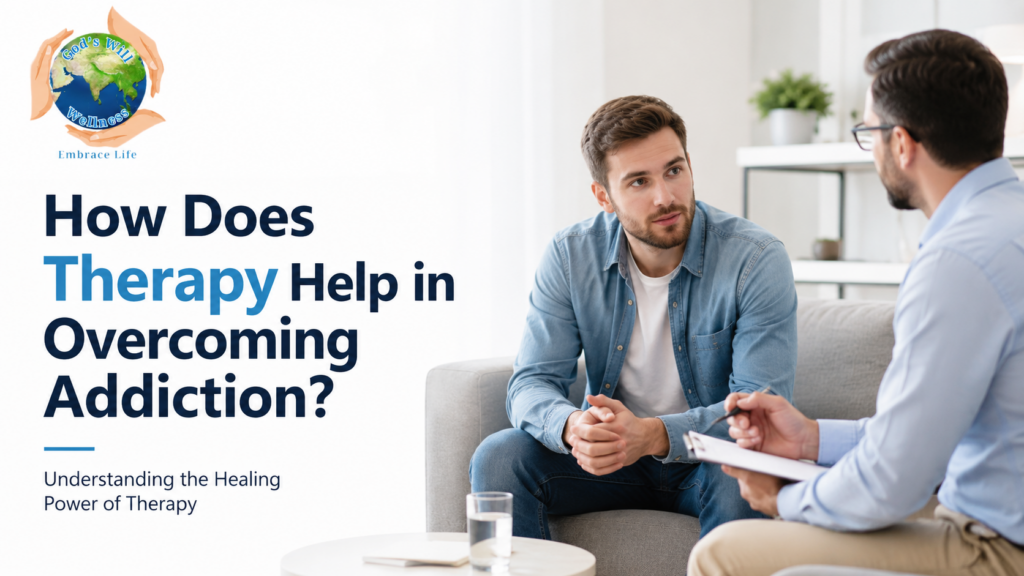
A de addiction centre in Faridabad focuses not just on detox but also on helping individuals rebuild their daily lives after treatment.
Restoring Life After Detox
Detox does not end the recovery process. Detox does not effect the users daily habits and emotional state that substance use has altered. Most rehabilitation programs are aimed at restoring these activities.
This can include:
Behaviorem
Emotional state
Daily life
Reducing the likelihood of relapse
Involving their family and support network is critical.
Registered de-addiction centre in Faridabad have designed frameworks and programs to provide substance users with assistance to restore their lives to healthy and balanced living with less risk of relapse.
Why is Planning for Relapse Prevention Important?
Relapse is when a substance user has returned to using illicit substances. It does not mean the user has failed the detox process, and it aids in understanding what additional support may need to occur.
Programs designed for recovery teach participants the means to manage a relapse.
Strategies to prevent relapsing may include:
Recognizing Situations that could cause a Relapse
Participants learn to identify situations that will cause them to want to use a substance.
The history is of substance abuse is often linked to:
Interacting with socially toxic people
Sudden exposure to high levels of stress
Being in a psychologically damaging place
Building a Network of Support
The process of recovery is greatly enhanced by having people in your life that act as your support system. A well-balanced support network may be made up of:
Various members of the family unit
Professional therapists
Community recovery support units
Socially trusted individuals
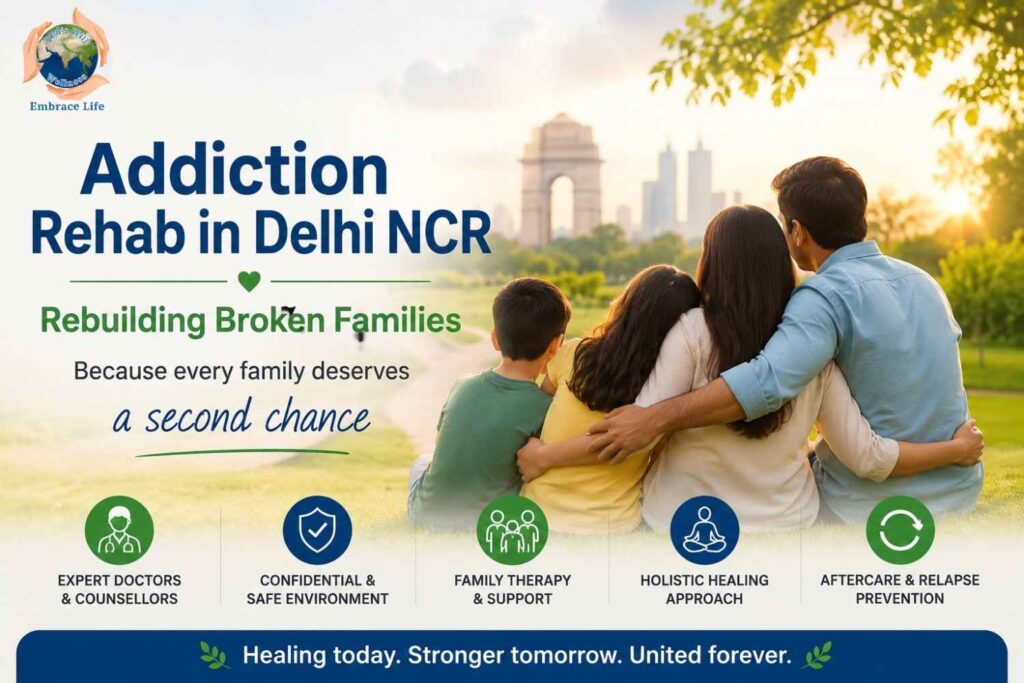
Having family members in support groups may assist in regaining family trust.
After the First Stage, Establishing a Supportive Environment
Your family has been the invisible victim of your addiction. In many cases, family members have experienced
Stress
Emotional trauma
The inability to help you
Education of the family may help in the understanding of the nature of your addiction. Family members also need to learn how to properly support you and how to improve psychologically the state of your family.
The process of recovery in an addiction support environment may greatly improve the the family unit.
Choosing the Right Treatment Facility
Many people begin their search for a de addiction centre in Gurgaon by comparing facilities based on the quality of care offered.
Selecting the Correct Addiction Recovery Support centre
The process of recovery from addiction starts the moment you enter a support centre for addiction.
Selection of the facility will be done by looking at:
Professional Expertise
The perfect facility should have trained professionals, should offer professional counseling and treatment programs.
The professionals will use their skills and expertise to help with the challenges posed by the addiction.
2. Customized Treatment Program
Recovery process is individualistic in nature.
Selecting facilities which offer similar treatment programs to all people should not be considered.
The perfect treatment program includes:
Individual’s Challenges
Mental Problems
Goal of the recovery process
3. Help with Continuing Recovery
Detoxification program is not the total process.
Some of the facilities which offer other programs are:
Counseling
Therapy
Skill Building
Family Help
Future Planning
4. Healing Environment
Recovery occurs within the context of a helpful and healing environment.
A soothing setting provides the opportunity for individuals to concentrate on:
Personal Growth
Emotional Recovery
Confidence
Positive Habit Formation
How God’s Will Wellness Aids in the Recovery from Addiction
God’s Will Wellness has a dedicated staff that offers professional, caring, and guided support of structured recovery programs.
The recovery process requires support, time, and dedication. A determined and caring service provides a recovery process that is not based on judgment.
The purpose of a recovery program is not solely the cessation of substance use. The objective is to assist clients in the recovery process to re-establish their lives on a path of meaningful and satisfying living with healthy relationships and positive emotional and mental balance.
Recovery incorporates the learning of new coping strategies and guidance of a professional can aid in the process.
Tips for Long-Term Recovery after De-Addiction Treatment
Having completed a de-addiction treatment program is commendable. However, the primary goal of de-addiction would have been achieved only after the individual abstains from drugs for life. Continuing with de-addiction efforts would mean making lifestyle changes. After completion of de-addiction rehabilitation programs, individuals often face new challenges with the return of normalcy to daily life.
Continuing with a few practices can help remain in a recovery state.
1. Continue with Counseling and Support Sessions
After the completion of a residential treatment program, the recovery process is still on. Regular counseling sessions help individuals face new challenges that may arise in the day and helps a person remain sober.
Even after the primary treatment is done, continued support can help with the following:
Relapse prevention
Loss of motivation
emotional complications
stress management
After the completion of treatment, many people still support individuals through counseling sessions.
2. Keep Away from High-Risk Situations
Going to places that are associated with old habits can lead to a relapse.
Individuals should try to:
Keep away from people who have the habit of using substances
Keep away from high risk situations
Develop new healthy routines
Spend time with healthy friends or individuals
Creating a positive environment helps make recovery easier.
3. Develop yourself as an Individual
Recovery provides you an opportunity to work on yourself.
Individuals can focus on:
New hobbies
Career aspirations
Educational goals
Health and fitness
Being creative
Having an everyday meaningful routine helps divert individuals from old habits.
4. Control Stress
Substance use is one of the ways people cope with stress. Learning healthy ways to manage stress is really important.
Some of the ways to keep healthy are:
Exercise
Journaling
Meditation
Deep breathing
Being with people who support you
Keeping healthy ways to control your emotions will help focus on the recovery state.
Benefits of Professional De-Addiction programs
Consider the following to understand the benefits of taking professional help over trying it on your own:
Structured Recovery
All programs have a structure to assist recovering addicts through the detox stage and guide them to the next stages of recovery.
Professional Help
Professionals have the training to understand the challenges addicts face and are able to provide the support necessary.
Less Likely to Relapse
Therapies and counseling along with relapse prevention strategies teach recovering addicts how to cope with cravings and challenging situations.
Mental Recovery
De-addiction programs allow people to deal with mental and self-esteem issues that have been affected by addiction.
Support
You will find counselors and others who have faced addiction and their presence is inspiring.
Why It Is Important To Treat Addiction Early
A lot of people believe that they can stop using whenever they want and put off seeking help. Stopping substance use is not that easy and addiction can become worse and affect all aspects of your life.
Seeking help early can:
- Avoid health issues
- Heal relationships
- Fix emotional issues
- Restore day to day routine
- Promote mental well being
- Increase the chance of recovery
Taking professional help is necessary, whether the issue is with alcohol, drugs or both.
There are credible de addiction centres in south delhi to help in providing community outreach to bring organized De addiction processes and counseling support along with recovery resources.
Reaching out to a de addiction centre in south delhi at the right time can make early intervention far more effective and improve long-term outcomes.
FAQs About De-Addiction Treatment Programs
1. What is a de-addiction treatment program?
De-addiction centre work towards the cessation of drug misuse through the provision of a caring atmosphere. Such centre include a number of elements including detoxification, therapy, provision of medicines and provision of plans to prevent a reoccurrence.
2. How does a de-addiction centre in Delhi help people recover from addiction?
A professionally managed de-addiction centre in Delhi serves as a secure environment where patients receive not only medical treatment but also counseling as well as emotional support with tailor-made recovery programs. Well-equipped centre cater to both the physical and psychological requirements of the patients.
3. How long does addiction treatment usually take?
The time required for addiction recovery is not fixed; rather, it may range from a few weeks to several months. The time needed for addiction treatment depends on various aspects including the level of abuse, physical dependency, health condition, and many more.
4. Is detoxification enough to overcome addiction?
No. Detoxification of substance abuse is the first step of the recovery process, and detoxification will only clear the body of substance with withdrawal symptoms being managed. Counseling, behavioral therapies, changes in lifestyle, and measures to avoid relapse need to be incorporated.
5. Can family members participate in the recovery process?
Family participation is essential in the recovery process. Counseling of the family becomes crucial as it helps them comprehend substance abuse and enhances their supporting role.