
How to Choose the Best Nasha Mukti Kendra for Your Loved Ones
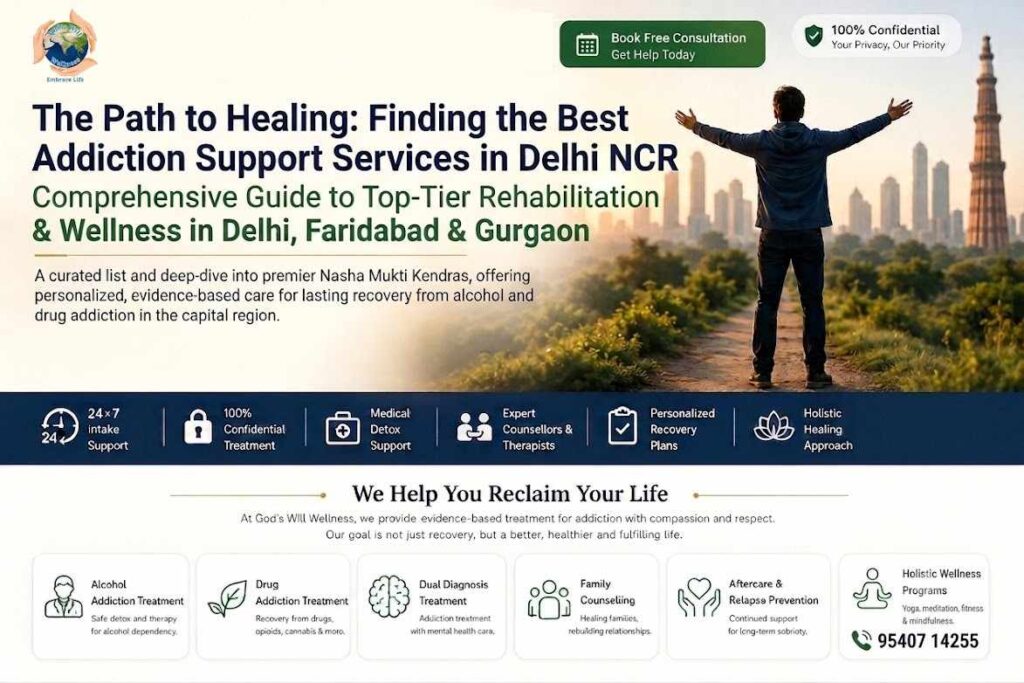
Simultaneously witnessing the destructive effects of drug and alcohol addiction on your loved ones and on your family relationships, your job, and your quality of life, can be mentally stressful and exhausting. While the right drug rehabilitation centre can help to make recovery from addiction possible, the right centre needs to be chosen. Families can be unsure about which drug rehabilitation centre can offer care and guidance in the right setting, as there are a plethora of drug rehabilitation centres. As well as withdrawing from drug use, the right centre can help families and their loved ones to understand the underlying cause of their addiction, and help them learn to cope with life and promote healthy behaviours and lifestyles. Finding the most appropriate and best nasha mukti kendra in delhi ncr involves extensive groundwork. Families can look at the approach to therapy, support and care, counselling, staff experience, and rehabilitation as well as recovery and aftercare services. The clientele of God’s Will Wellness all have diverse experiences and approaches to addiction. By offering a recovery pathway that is tailored to the needs of an individual and supportive and positive, families can see meaningful changes to their loved ones in the family. This will help family members to support long-term recovery for their loved ones. Why Selecting the Right Addiction Recovery Centre is Important Recovery from addiction is much more than abstaining from the use of drugs and/or alcohol. Recovery involves the healing of the body, the mind, the emotions and restoring one’s self-worth. It is a common assumption that the treatment of addiction is just a process of detoxifying. Actually, detoxification is the first step in the treatment process. Recovery from an addiction is a continual process that incorporates counselling, therapy, improvement of characteristics and lifestyle, and an assurance of support and accompaniment. The proper rehabilitation centre constructs the proper environment that permits an individual to concentrate on his recovery, free from all of the habitual negative influences and distractions. The proper rehabilitation centre can assist in: Recognizing the reasons for addictive behaviour Safely Managing Withdrawal Symptoms Healthy Coping Skills Mental and Emotional Wellbeing Reconnecting with Family Relapse Prevention The choice of a rehabilitation centre should consider that an individual rehabilitation programme should be constructed for each particular case. The same rehabilitation programme can be effective in completely different ways for completely different individuals. Families looking for nasha mukti kendra in delhi should try to find a centre that caters to individualized treatment regimens rather than centres that use a one size fits all method. Evaluate Your Loved One’s Addiction Treatment Requirements It is necessary to identify the needs of the person before enrolling in a rehabilitation centre. Addiction is unique to everyone. Some may struggle with addiction that requires a greater degree of medical supervision as opposed to others who may require counseling and behavioral therapy. Some factors to consider are listed below: Type of Addiction Substances affect the body and mind in different ways. A treatment plan can be designed specifically to cater to a certain type of substance linked to: Alcohol Drugs Prescription Medication Cocaine And other substance related issues Centres that specialize in different types of addiction and provide different treatment plans will offer greater success rates in rehabilitation. Addiction’s Severity and Duration The severity and duration of a person’s addiction also determines the length and intensity of treatment. For example: A person who has been dependent on alcohol for years will require greater treatment as compared to a person who has been using a substance for a short duration and will only need counseling and behavioral therapy. Withdrawing from substance use will require greater medical supervision. A professional evaluation will determine the appropriate level of care. Mental and Emotional Health There is a link between addiction and the challenges of the emotions of: Stress Anxiety Depression Trauma Low self-confidence A good rehabilitation program will create a focus on reintegrating the person back to a healthy emotional state rather than only stopping the self-destructive behavior. Integrating counselling and psychological support in a de addiction centre in delhi is essential for successful recovery. Here is why. What Defines an Exceptional Addiction Recovery Centre? An outstanding addiction recovery centre has a broad scope for all the additional features beyond what is considered basic. It understands the importance of creating positive support structures and motivating individuals to want to undergo the commitment for change. House these characteristics before arriving at a decision. 1. Tailor Made Treatment Frameworks Every case of an individual’s addiction is dissimilar. It is essential for a centre to decipher the current state of the individual’s body, mind (emotional wellbeing), and the current lifestyles before putting together a framework for treatment. Tailor made treatment framework options may include: Treatment backed by individual counselling Therapy in different formats Various modalities of behavioural therapy Wellness and mindfulness sessions Planning to prevent future relapses Each framework has a goal of achieving successful long-term recovery. 2. Recovery Professionals and Counsellors with a Wealth of Experience One of the most essential features for any centre for rehabilitation is the quality and/or experience of professionals. Counsellors with sufficient experience can provide perspectives to individuals to: Reason why they may be losing control Understand and learn to manage cravings Establish healthier routines and elevate self-confidence during the process of recovery The presence of a supportive and caring team can improve the experience for recovering individuals. 3.Creating a Positive, Safe, and Supportive Environment The environment plays an essential part in the recovery process. Such factors, which positively contribute to the process of recovery are: Comfortable living conditions Stability and structure in everyday life Recovery community A peaceful environment acts as a backdrop to healing and development. 4. Commitment to Continuous Recovery Completion of the program does not mean the end of the recovery process. The commitment