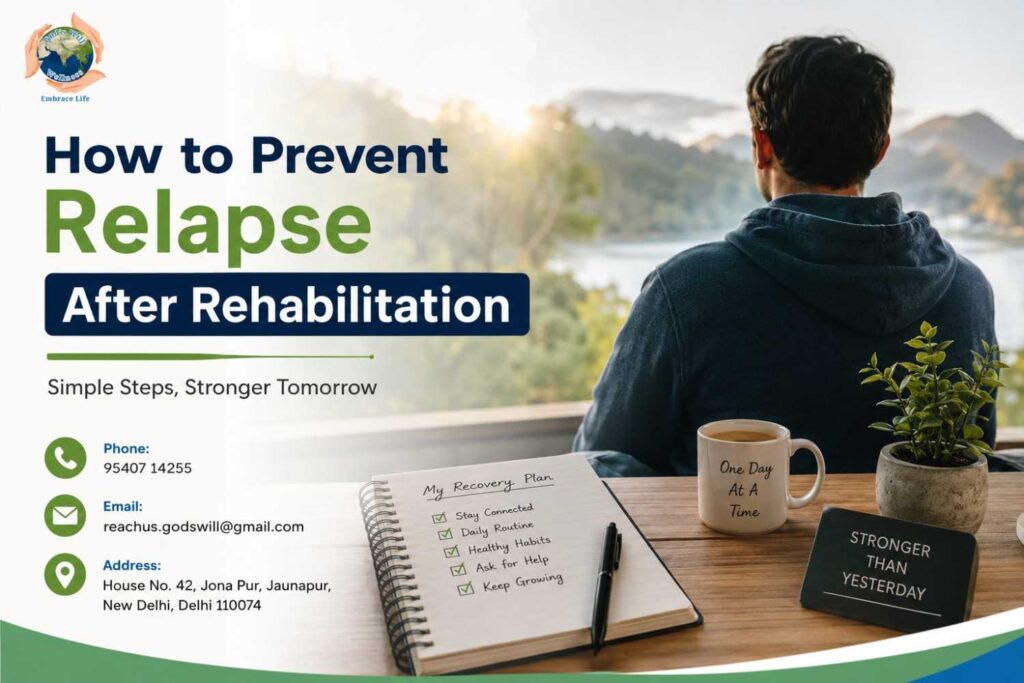
How to Prevent Relapse After Rehabilitation
Initiating Long-Term Recovery Post-Rehabilitation Congratulations for completing a rehabilitation programme! Now, the work of rehabilitation really begins. It is not uncommon for prospective patients of a nasha mukti kendra in Delhi to seek an extensive process that extends beyond detox. For long-term sobriety, developing strategies that facilitate the avoidance of relapse is a necessity. This article will assist in the understanding of the prevalence of relapse, how to recognize the signs that it is imminent, and how to incorporate various techniques to avoid it. This article will assist those in need of recovery, as well as individuals providing support to a recovering person. The need for rehabilitation does not cease after leaving the rehabilitation programme. The transition from rehabilitation to the daily routine is the most difficult of all. Knowing the strategies to prevent relapse before this transition will considerably increase the chances of avoiding temporary setbacks and achieving long-term sobriety. Post Rehabilitation Program Relapse The term ‘relapse’ is used to signify the return of substance use after a period of abstinence. This signifies that the rehabilitation programme has not achieved its intended purpose, and the need for additional support has become apparent. Addiction is a chronic condition similar to diabetes and hypertension. Having a relapse with the right programme is a normal occurrence. Recovery is an active and ongoing process. Relapse is preventable. Research has shown that the majority of recovering individuals will relapse at least one time during recovery. The right strategies to prevent relapse will assist in avoiding the occurrence of a relapse during recovery. Why Do Relapses Occur? A relapse doesn’t happen overnight. It occurs over a period of time. Knowing what may lead to a relapse can help you avoid it. What Causes a Relapse? Unstressed anxiety Old memories and surroundings Missing a therapy or recovery session Lacking sleep and nutrients Overly confident remaining sober Mental health problems not being addressed This will make relapse even more likely. Recognising them early will create a great start for future recovery. Dealing with problems in their early stages will make things simpler. Healthy living is important in order to maintain sobriety. Any problems, even such minor ones like forgetting about meals and sleeping disorders, can be relapse factors in case they are not dealt with. What Relapse Triggers Are There? A relapse trigger is something that makes you want to use a substance. A part of recovery is to identify and understand what your triggers are. Examples of Triggers: – Internal triggers are emotional problems like anger or anxiety. External triggers are memories and cues from being in certain places. Creating a plan to control the triggers is important. You can control the triggers by bringing a sober friend or having a plan to leave the event. Stages of Relapse There are three stages that a person goes through in the process of a substance relapse. Emotional Relapse At this stage a person does not think about using a substance. However, emotions such as anxiety, irritability, or depression may begin to surface. Mental Relapse During this stage a person begins to think about using a substance. This may involve romanticising or thinking fondly about the use of a substance in the past or negotiating a deal to use that substance “just one time”. Physical Relapse The last stage of the relapse process is when the person actually uses the substance again. This makes the most important time for intervention the emotional or mental stage. Signs of a Potential Relapse When warning signs of a substance relapse are recognised in advance, it helps in the prevention of a full-blown relapse. In addition to this, family and other primary carers must learn to recognise these signs. Behavioral Signs These may include: Emotional Signs Emotional signs may include increased anxiety/restlessness, overconfidence in recovery, or denying stress or other problems. If you see these signs, there is no time to waste, and you should contact a rehabilitation centre in Delhi. Relapse Prevention Strategies The best plan for the prevention of relapse is a plan that includes therapy, support and the changes that must be made to everyday life. Here are some strategies to consider. Support a Daily Routine Complete consistency in daily routines helps and is extremely important during the early stages of recovery. Being consistent at the same wake-up time re-establishes some discipline. Positive goals limit the mind from being consumed by cravings when the times of meals, work, and rest periods are organised. Recognize and Evade Your Lengthy List of Triggers We each have our own lists of specific triggers. Avoidance or management of each should be incorporated into plans for the better. Adopt Positive Coping Mechanisms Deep breathing, journaling, and exercising are all positive coping mechanisms. Cravings can all be managed using any of the mechanisms without reliance on drugs. Why Aftercare Program is Important Aftercare is crucial on the continuum of care from rehab to practical daily living. Aftercare prevents relapse. Check-ins and support groups are parts of beneficial aftercare. Counselling for addiction at this stage is early detection for avoidance of spiraling problems. Why Aftercare is Important to Recovery Aftercare programmes are most effective at preventing relapse because they keep the recovering individual accountable. Post-rehab, while the individual feels everything is fine, the absence of a group support system is protective to previous gains from rehab. Why Family Support is Integral Encouragement, consistency, and emotional support are effects of family support that strengthen negative relapse effects. Why Families and Loved Ones are Important Join family counseling Don’t support negative behaviors Be compassionate and open Help them go to aftercare Focus on family mental health Healthy Lifestyle Habits After Rehab Substance use disorders are complicated, and creating a fulfilling life after substance use involves more than the avoidance of substances. It involves creating habits that sustain and support wellness. Nutrition and Recovery Whereas all food has some function, proper nutrition allows the body to recover and keeps a balanced mind. Proper nutrition enables a person to