Therapists

Addiction-Rehab-in-Delhi-NCR-_-Rebuilding-Broken-Families
Counseling, Health and Wellness, Mental Care, Psychology, Rehabilitation Centre, Therapists

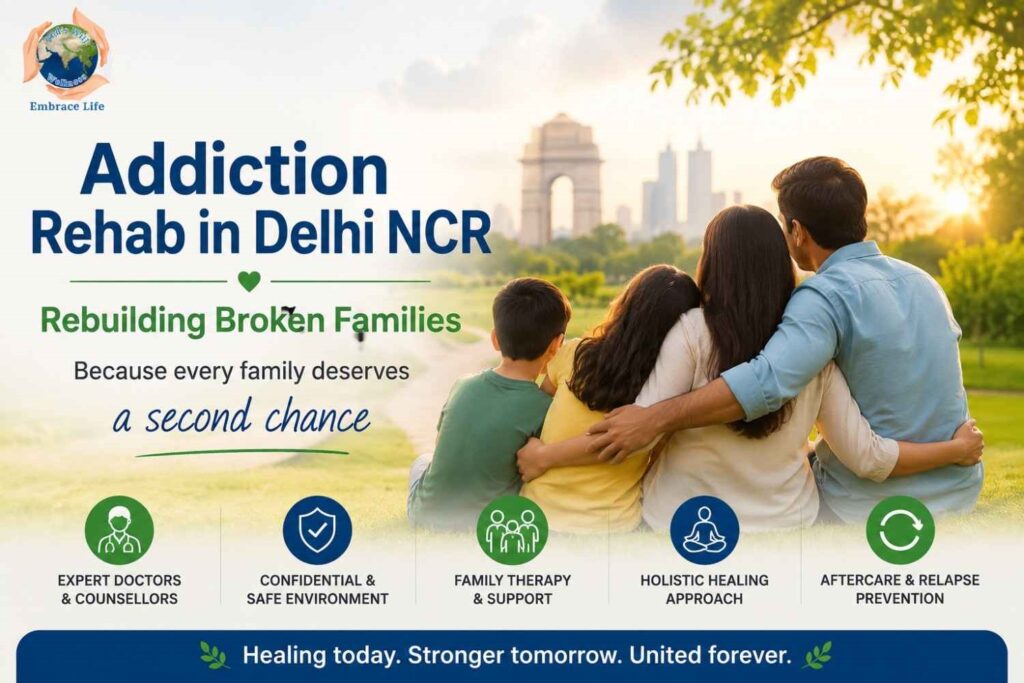
Addiction Rehab in Delhi NCR | Rebuilding Broken Families

When Love Isn’t Enough: Addiction and Family Disintegration in Delhi NCR – and the Journey of Family Recovery The slow death of a loved one is a particular kind of grief that is indescribably painful, and yet has no end date or closure. Thousands of families in Delhi, Gurgaon, Faridabad, and South Delhi have to deal with loved ones who succumb to addiction, even as the loved ones eat their meals in the same room. Addiction reprograms homes by dissolving trust, safety, and joy, and by replacing them with a new “normal.” At Gods Will Wellness, we sit across from families in this exact place all the time. They arrive exhausted, frightened, and skeptical whether love, discipline, or keeping quiet will finally break through the family’s walls to save them. Because of this, we have learned addiction is not a private issue. It is a collective, family issue and family recovery is the necessity. This is written by us to help out all those families (parents, spouses, or children) who are struggling through the pain of living in a home where their loved ones are addicted. First of all, we want to let you know that it is not just an illusion, and you will not have to suffer alone forever. Section 1: The Invisible Victims – How Addiction Strikes the Home One Person Uses, But the Whole Family Suffers Addiction is often characterized by a single observable person. This isolated, surface-level understanding of addiction is incomplete. Addiction permeates its victims’ environment, disrupting the fabric of the household’s routine and their interpersonal atmosphere. The chaotic emotional adjustment of the household members manifests outwards while the substance user is the sole visible victim of the substance use disorder. The rest of the family becomes a victim in the shadow of substance abuse. They morph their lives into a makeshift structure to accommodate the disorder of the user, silently absorbing the disarray. A home should be a place to feel secure and where one can let their guard down. It should have warmth and comfort. Addiction ruins that comfort. When a spouse is the one addicted, the other ends up playing a guessing game. She learns to decipher the tension, the air, the room before bringing up unsettling topics like the electricity bill or school fees. Parents become accustomed to sleeping with one ear open. They always keep their phone nearby on the lowest battery, waiting for an accident call. The Hidden Trauma No One Talks About In psychology, this low-grade hypervigilance is called a trauma response. Family members who coexist with active addiction develop the same nervous system response as those who have survived prolonged emotional trauma. They carry anxiety that never seems to pass. They lose sleep and struggle to relax. Children of these families are forced to learn how to survive addiction before they’ve even learned how to do long division. The pressure and discrimination that families face contribute to their sense of isolation. For example, a mother may feel she cannot tell anyone outside her family about her husband’s problem, because her family members will judge her husband’s late-night work attendance as rude and inappropriate. A young single professional may feel he cannot invite friends to his family home because he cannot allow them to see how his family member who is a drug user behaves. The isolation that families face may prevent them from seeking professional help. Section 2: Statistics & The Reality of Substance Abuse in Delhi NCR A Region Under Pressure Although statistics cannot quantify the devastation across households, they outline the circumstances that families within National Capital Region (NCR) of Delhi are experiencing in silence. The NCR of Delhi, that includes Delhi, Gurgaon, Faridabad and Noida, and surrounding satellite towns, has become one of the most concerning substance abuse zones in India. This is not conicidence. The rapid urbanization of the NCR, the high-pressure corporate culture, young professionals having disposable income and having both traditional and synthetic substances at their disposal have fast and enabled a culture of addiction. Alcohol continues to be the most commonly and socially accepted substance throughout the area. Alcohol-consumption at social gatherings, celebrations, and work-related socializing is common and even encouraged. Drinking is often perceived as an integral aspect of socializing, meaning that it is the family that will first realize whether occasional drinking becomes alcohol dependency. With the rapid pace of life in business clusters such as Gurgaon and Cyber City, drinking initially as an aspect of socializing may transform into regular behavior in the long run. The moment when the symptoms are visible, many families approach alcohol rehab centers in Delhi in order to start their recovery process. This includes damaged professional advancements, depleted finances, and broken relationships. The Increasing Hold of Drugs and Cocaine Drugs form yet another problematic area that has seen increase in usage across different generations, whether it be the youths or the working class. There have been several incidences of people getting exposed to marijuana, abused medications, and synthetic drugs at social gatherings that include college gatherings, parties, among others. Even though there are some people who view these drugs as recreational drugs, continuous exposure to these drugs can make the individual dependent, especially if he/she is vulnerable to them either due to stress, psychological problems, or peer pressure. Cocaine forms another type of drug that has been increasingly used in certain areas of Delhi NCR. Such drugs may be found during some special social gathering like parties, night clubs, or after-office gatherings. Cocaine is something that the young generation might experiment in order to handle pressures of the job and long office hours. However, the effects of this drug are not only intense but happen in no time. Section 3: The Specific Paths of Destruction – Alcohol, Drugs, and Cocaine It is true that every addiction impacts the family in a way that is distinct from other cases, but the end result will always be pain, mistrust, and destabilization of
Beyond One-Size-Fits-All Specialized Drug Addiction Treatment Programs That Work
Counseling, Mental Care, Rehabilitation Centre, Therapists

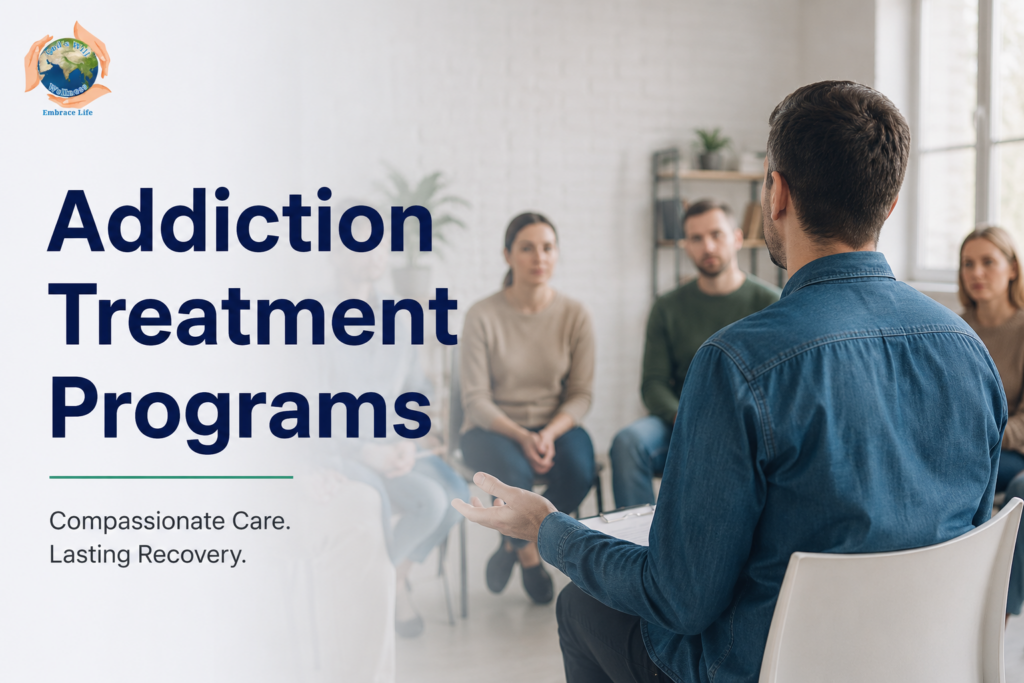
Beyond One-Size-Fits-All: Specialized Drug Addiction Treatment Programs That Work

The Courage to Say “I Need Help” One of the bravest things you can do as an individual or a family unit is to reach out for help with drug addiction. While doing so for yourself is brave, doing this for someone you love equally demonstrates bravery. Seeking help is not a sign of weakness but an indication of strength and courage. Addiction is not a moral failing, or a poor choice of character and it is not an issue of willpower. The reality of addiction is that it is a a complex, chronic condition of a disease. Addiction rebalances chemistry in the brain, and alters the brain’s reward system. Through this process, the brain constructs barriers that create an environment that makes quitting even more difficult without outside intervention. At Gods Will Wellness we understand these challenges and approach the issues of drug addiction with this framework and in a compassionate manner. It is clear that drug addiction is not a one size fits all. The way heroin impacts the brain is different to the way cocaine impacts the brain. The same can be said of Marijuana and prescription drugs. Dependence on marijuana is not the same as dependence on prescription opioids. Furthermore, dependency on drugs while battling with depression calls for more individualized care than drug dependency with no disorders. As the premier substance abuse rehabilitation center and the best rehabilitation center in Delhi for alcohol and drug recovery, Gods Will Wellness offers this type of care that is specialized, scientifically grounded, and deeply humane. This guide will show you what that care looks like and why it really matters. Understanding the Core of Substance Abuse How Physical and Psychological Dependency Form Addiction is something that develops simultaneously in both the body and the mind. When people become dependent on a substance, the brain loses the ability to feel “normal” and begins to require that substance. When the individual stops using the substance, the body protests and attempts to return to the “normal” state, producing what are commonly known as withdrawal symptoms. In a similar way, people use coping substances to manage stress and trauma, as well as other emotional or psychological problems like loneliness. Full recovery means that the individual not only addresses their physical dependence, but psychological dependence as well. The Growing Problem of Prescription Drug Abuse While many believe illicit drugs, especially heroin and cocaine, are the worst of the worst, prescription drug abuse has seen an alarming increase recently. What this shows is the gaps are closing when it comes to abusing illicit drugs and prescription drugs. Because of this, many families and their members fail to see the symptoms of the addiction until the addiction is severe and the symptoms are more difficult to cease and overcome. Some common indicators of prescription drug abuse are: – Using the drug in larger quantities than prescribed or more often than instructed. – Receiving the same prescription from numerous physicians (often referred to as “doctor shopping”). – Mood changes, withdrawing from social or family contact or altered sleeping habits. – Concealing the drug use or being defensive about the use. – Using another individual’s prescribed drugs or obtaining the drug through illegal means. Identifying early signs of prescription drug abuse provides a better opportunity for intervention and a better prognosis for successful treatment. Why Structure Is the Cornerstone of Recovery Overcoming dependence on drugs and/or alcohol is often difficult to do using just willpower. The tools for recovery and a drug-free environment play equally important roles in the recovery process. The structured setting of a drug and/or alcohol rehabilitation center provides consistency, community, and constructive healing. The chaos of self-destructive behavior is replaced with a purposeful environment. Structure is the framework on which a new and drug-free life is built. Substance-Specific Treatment Programs Treatment for Heroin and Other Opiate Addictions Opiate withdrawal is one of the most physiologically painful and psychically tormenting phases of addiction. The period of time after the last dose is one of the most painful, tormenting, and prone to relapse. At a dedicated heroin addiction treatment center, the first stage is detoxing under medical supervision. Detoxing heroin is a multi-day process, and specialty clinics employ strategies to manage the worst symptoms of withdrawal and stabilize the brain. Around the clock monitoring includes the strategic administration of medications like buprenorphine and methadone, which help to reduce withdrawal symptoms and stabilize cravings for the drug. Detoxing heroin also begins the process of healing the brain from heroin. Detoxing is just the first step of treatment. After stabilizing the brain, patients begin a variety of therapeutic techniques to help them begin to plan for a future without heroin. Cocaine and Other Stimulants Cocaine and other stimulants function by causing the brain to release unnaturally large amounts of dopamine, the brain’s pleasure, reward, and motivational chemistry. This immense dopamine release occurs at a level that the brain would never achieve on its own. As a result, the brain’s internal dopamine chemistry begins to diminish, and the joy that once was a part of daily life is full of emptiness. The extreme heroin-like symptoms are not present in cocaine withdrawal, but, like heroin, the withdrawal from cocaine is a psychological ordeal. The detox process in cocaine rehab is not primarily to manage a physical crisis. Rather, it is to combat the depression, lack of pleasure, anxiety, and most importantly, the overwhelming cravings that accompany the withdrawal from cocaine. Cognitive Behavioral Therapy (CBT) forms a vital aspect of treatment for stimulant addiction and focuses on modifying the craving and substance use cycle within the brain by teaching patients how to consciously substitute substance use with healthier behavioral responses. Stimulant recovery also has a lot of synergy with Contingency Management, which focuses on achieving and reinforcing sobriety through the use of incentives. The objective of cocaine rehabilitation center and detox at Gods Will Wellness goes beyond abstaining from cocaine. It is to reinstate the brain’s natural ability to derive pleasure

Where healing meets hope, and every step leads to recovery.

HOME
ABOUT US
CONTACT US
TREATMENT
GALLERY
OUR FACILITY

CONTACT US

© 2026 Designed By Digihulks

Scroll to Top