Addiction recovery is a multi-step process beyond abstaining from a substance. It focuses on the physical, emotional, and mental healing that is necessary to cultivate positive and healthy behaviors and the skills to maintain that wellness for the rest of their life.
Because terms like nasha mukti kendra, de-addiction centre, and rehabilitation centre are often used interchangeably, searching for the right type of support can leave many individuals and families alike feeling utterly lost and confused. It is important to know that each of these centres plays a distinct role in the recovery process.
If you are able to identify how addiction treatment works, you can choose the right type of support that you need the most. Recovery from addiction can be achieved when there is a combination of professional help, treatment that is planned and organized, counseling, therapy and constant aftercare.
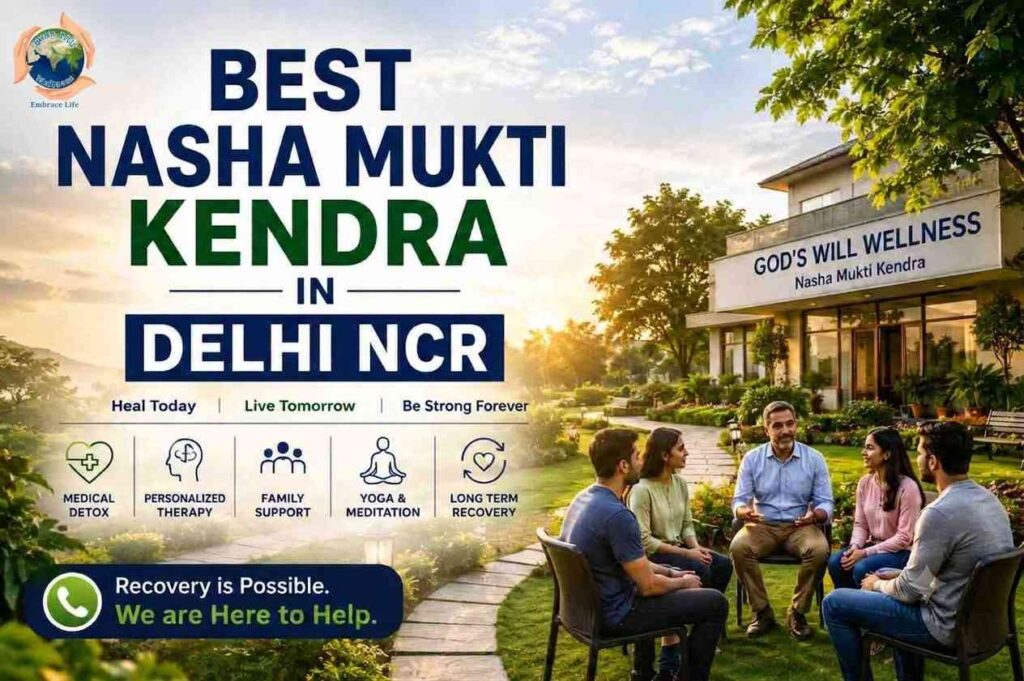
The god’s will wellness organization is one of many that seeks to give individuals structure to aid their recovery from addiction. They do this by providing medical services, counseling, therapy and rehab services.
Understanding Diverse Addiction Treatment Centres
Addiction treatment centres are organized places that help individuals who have substance use disorders receive the help they need. They do this by creating a safe place and bringing in all of the professionals necessary to help the individuals create and adopt healthy lifestyles.
While most of these centres help individuals achieve the goal of sobriety, they may achieve this in different ways and at different levels of support.
What is Nasha Mukti Kendra?
Nasha Mukti Kendra focus on the rehabilitation and recovery of substance abusers and are one of the most important features of the Indian substance abuse treatment ecosystem. They focus on providing the necessary help to individuals battling drug abuse, substance abuse and alcohol abuse. Making such rehabilitation centres accessible has always been the first concern when dealing with substance abuse.
A nasha mukti kendra may typically offer;
- The evaluation of the health status along with the history of substance abuse.
- Aid in the process of detoxification.
- Counseling.
- Behavioral therapy.
- Activities that promote healthy habits.
- Strategies to prevent relapse.
A kendra in Delhi has been specifically established to help people and families access professional services that deal with the problematic issue of substance abuse. People looking for a nasha mukti kendra in Delhi expect the support of the centre to offer treatment that will help them in recovery.
They are created with the intention of helping people quit substance abuse and addiction and allowing them to start afresh.
Roles and Functions of a De-Addiction Centre
A de addiction centre in delhi, integrates biomedical treatment and psycho-behavioral treatment to provide an effective remedy for addiction as this is a quandary where the affected person’s mental, emotional and social spheres have been derailed.
They may offer the following:
- Medical assessment and continuous care
- Supporting through the withdrawal process
- Individual therapy/counseling
- Psycho care
- Behavior therapy
- Counseling for the family
To simply help an individual quit a substance is not the goal of the centre. It is important that the underlying causes of the addiction are understood and healthy coping skills are adopted.
Importance of a Rehabilitation Centre
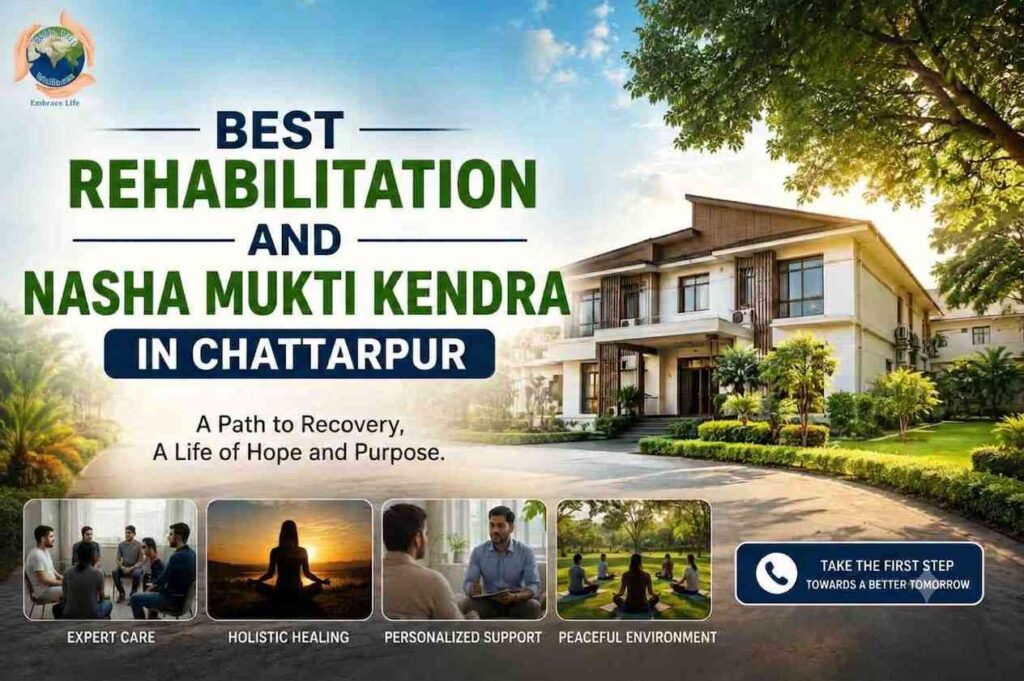
A rehabilitation centre in delhi aims to assist individuals in reconstructing their physical, emotional, and social well-being after tackling primary challenges of addiction.
Rehabilitation is a critical phase in the addiction recovery process because recovery doesn’t stop with detox. Support is often needed to live a substance-free life.
Components of rehabilitation may include:
- Support for emotional wellness
- Skill-building
- Development of healthy habits
- Strategies for prevention of relapse
- Support of family
- Planning for recovery beyond rehabilitation
Detoxification enables an individual to rid their body of harmful substances. Rehabilitation, on the other hand, enables the individual to gain the skills and confidence for a better tomorrow.
Stages of Addiction Recovery
There are many stages of addiction recovery, and the process is different for everyone. A major step in this process is the treatment of physical dependency and emotional issues in a systematic way.
Assessment and Treatment Planning
As the first step to recovery from addiction, the individual’s condition must be understood through the assessment of:
- The substance
- Length of addiction
- Present physical and mental health
- History of treatment
- Personal and family situation
This assessment will determine a treatment plan. A personalized approach to the treatment of addiction is vital as this condition affects individuals in different ways.
An appropriate recovery plan will determine if the individual requires the support of detox, counseling, rehabilitation, and/or long-term care.
Detoxification and Medical Support
The first significant step in addiction treatment is the process of detoxification. This is the the process of allowing the body to rid itself of the harmful substances.
During detoxification, a person may experience withdrawal symptoms as their body may have become accustomed to dependence on the particular substance. Some withdrawal symptoms may include:
- Anxiousness or irritability
- Discomfort or irritability
- Changes in feelings or perception
- Cravings
During the detoxification process, symptoms of withdrawal may become challenging to manage on your own. This is why detoxing under supervision and with some level of medical support is imperative.
Detoxing a person is not the end of the recovery process. It is the first step in the process that gets a person ready for the next phase or steps in the treatment plan, which are counseling and therapy.
Detox, Counseling, Therapy, and Aftercare: Key Components of Recovery Process
Multiple support types typically lead to the most successful recovery from addiction. The reliance on only one of the aspects of recovery is usually of limited success.
Detoxification Support
Once an individual has ceased the use of substances, the support of a detoxification program helps the individual to begin the recovery process with a clearer head.
Detoxification programs are of limited support, as they only address the physical aspects of addiction.
Counseling Support
Counseling supports an individual to understand the psychological aspects of their addiction to understand the use of substances.
Counseling also provides an environment free of judgment for individuals to discuss their fears and challenges and to outline their goals for recovery.
Therapy Programs
Therapy is essential for the development of new, positive, and adaptive responses to challenging situations.
Therapy may assist with any of the following:
- Positive relationships
- Healthy emotions
- Constructive and adaptive thinking
- Effective decisions
Therapy is essential as it equips the individual with the tools to face the challenges that they will experience after the completion of their treatment.
Aftercare Programs
Aftercare extends the support initiated in addiction treatment and helps sustain recovery efforts and promote the avoidance of relapse.
With ongoing commitment to support networks, rehabilitative practices, and lifestyle enhancements, the likelihood of sustained recovery increases.
Selecting the Correct Addiction Treatment Option
Choosing an appropriate treatment option is a critical juncture for the individual and the family. The optimal decision hinges on the intensity of the person’s addiction, their health status, and their recovery needs.
Things to Consider Before Choosing a Treatment Option
Before deciding on a treatment option, the following should be considered:
Nature of the Addiction and Level of Support Required
The nature of the addiction and its impact on the individual will determine the most appropriate support and treatment level.
Treatment Options Available
Essential recovery services will include:
- Support for detox
- Counselling
- Therapeutic programs
- Rehabilitation services
- Planning for aftercare
Counselling and Therapy
Treatment and recovery from addiction is a process of addressing the needs and impact of the emotional and the behavioral. Therapy and counseling services will need to be available to support the recovery process.
Professional Support
For recovery to be effective and to be therapeutically valuable, the support needs to be professional. Trained counselors, therapists, and medical practitioners will need to be available.
Family Involvement
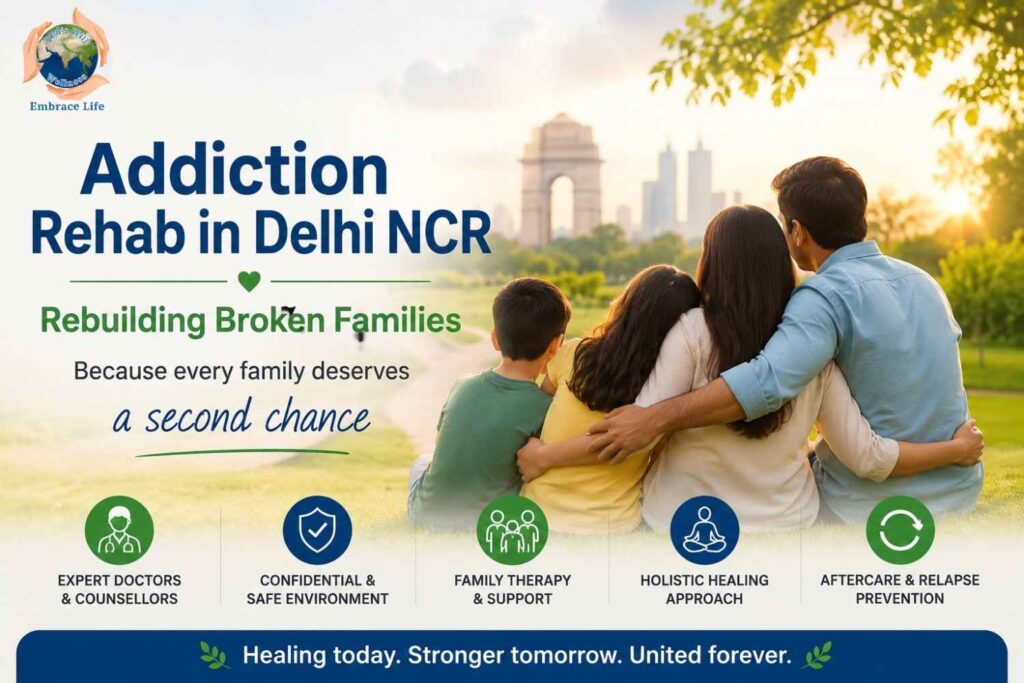
Recovery from addiction will be enhanced by the healthy involvement of the family. Facilities that promote family involvement create better support for recovery.
Support for Recovery Beyond the Treatment Phase
Choosing one of the de-addiction centres in Delhi or rehabilitation centres in Delhi will depend on the individual’s needs for recovery and support. A recovery model for best practice will address the needs for active recovery during the treatment phase and the needs for recovery during the post treatment phase.
Frequently Asked Questions
What are the main differences between a nasha mukti kendra and a rehabilitation centre?
The services provided by a nasha mukti kendra mainly consist of help in the form of treatment in order to fight substance dependence. A rehabilitation centre focuses on the restoration of the emotional well-being of the person and helps him with life skills for recovery.
How does a de-addiction centre aid in the recovery process of an addict?
A de-addiction centre provides help for the people suffering from addiction through providing medical assistance along with various other psychological and behavioral support services.
What are the main components of detox?
Detox is the process of allowing the body to readjust after ceasing the use of a substance. The symptoms of withdrawal are monitored and the process is supported to foster completion.
Why is counselling offered as a service in the treatment of addiction?
Counselling offers the opportunity to learn about the emotional distress and negative behaviour patterns that support substance use and the unhealthy coping methods. It also offers tools that are constructive to long-term recovery.
What is the typical duration of recovery from addiction?
Recovery time after the period of addiction is extremely variable and is affected by many aspects such as the degree of addiction, overall health state, and involvement in the treatment process and after that.
Why is aftercare provided after the treatment period?
Aftercare serves as an extended treatment procedure, encouraging positive lifestyle habits and offering help to prevent a relapse.
Is it necessary to have support from your family during the recovery period after addiction?
Support from the family is a vital part of recovery since knowledge of addiction, encouragement and counselling help to create a positive atmosphere.